Nothing ruins a Tuesday quite like watching your kitchen sink fill up with dirty, soapy water that refuses to go down. The immediate panic usually brings up two big questions: How fast can you get here? And who pays for this?
If you rent a property or live in one, drain responsibility is one of those gray areas that often leads to headaches before a solution. As an emergency plumbing company, we get pulled into this landlord-tenant debate all the time.
This guide sets out when a tenant is liable, when a landlord must cover the repair, and when the issue sits outside the property on the council or water authority side. It also explains how to sort out the dispute properly with plumber reports, CCTV drain inspection findings, photos, and written records.
Who Actually Pays? The Short Answer
Pinning down who pays usually comes down to identifying what caused the blockage in the first place. Landlords own the building’s infrastructure, so they cover structural defects, aging pipes, and deep-system failures, while tenants handle day-to-day use and keep bad habits out of the drains.
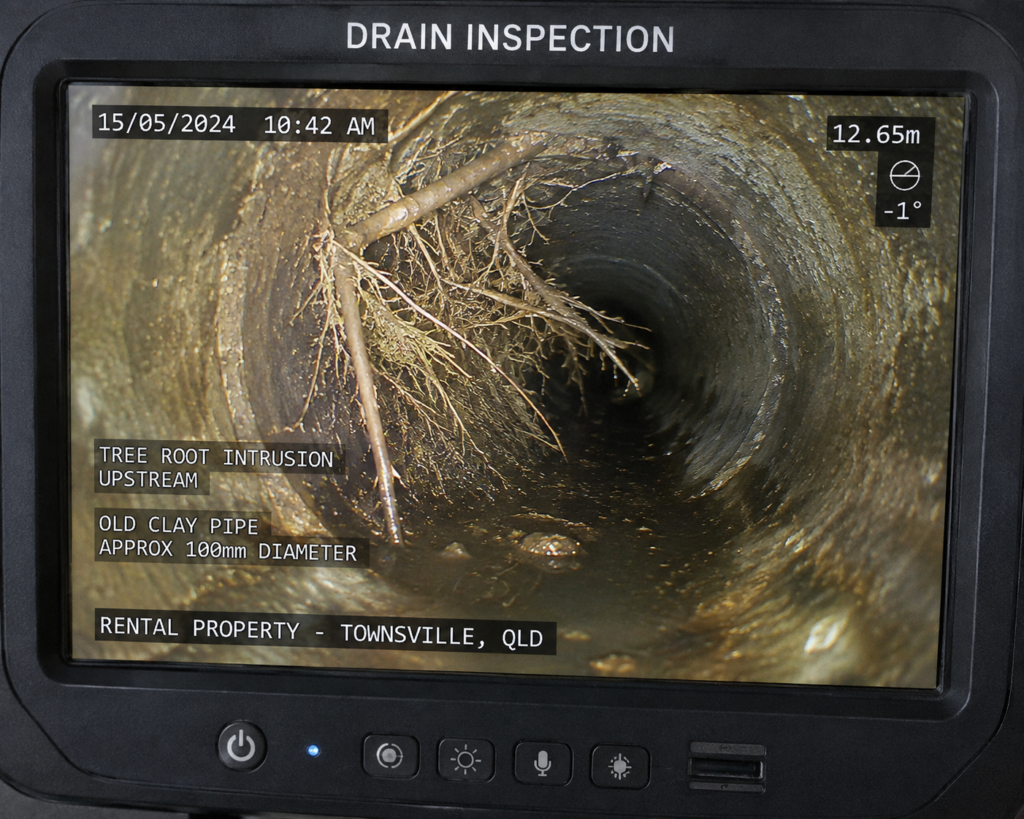
A blockage can stem from a dozen different things, everything from invasive tree roots crushing an old clay line out in the yard to six months of bacon grease hardening in the kitchen bend. Even water-softener buildup or a misaligned pipe joint underground can trap grease and paper in a matter of weeks, turning a minor habit into a total blockage.
That is exactly why we always drop a camera down the line before pointing fingers. An inspection cuts through the guesswork and shows you whether you are dealing with a tenant’s habit or a structural defect.
A quick CCTV look also tells us the pipe’s exact material; whether it’s old cast iron scaling up from the inside or modern PVC that just needs a quick hydro-jetting.
When the Landlord Is Responsible: Structural Failures and Aging Infrastructure
Sometimes, you can be the cleanest tenant on earth and still end up knee-deep in gray water because the building itself is rebelling.
When a blockage traces back to structural failure, aging infrastructure, or straight-up wear and tear, the landlord owns the bill. These are property defects, not day-to-day use issues.
In older neighborhoods, invasive tree roots and cracked clay pipe joints love to wreck underground lines, especially after heavy wet-season rains saturate the ground and shift the soil.
Here is the dead giveaway: repeat offenders. If the same toilet, shower, or yard drain backs up every few months, you are looking at a deep-seated property problem, not a one-off tenant mistake.
Property Boundaries: Where the Landlord’s Pipes End and Yours Begin
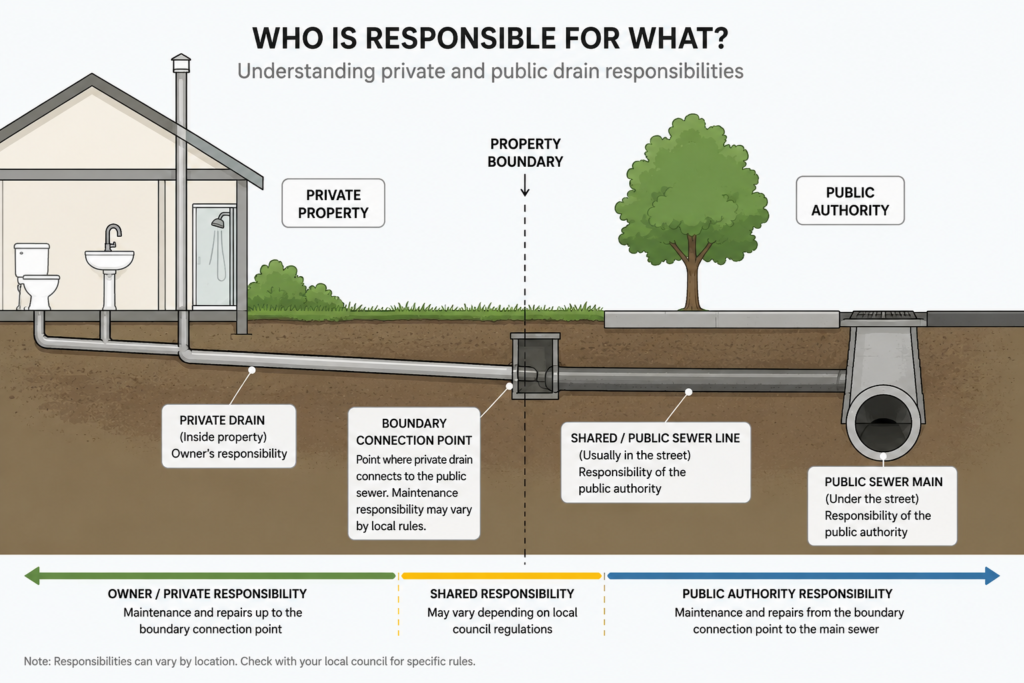
Think of it like property lines: everything underground that connects only your house to the main city sewer out in the street belongs to the landlord’s responsibility.
If the clog is sitting in that private pipe running under your yard or kitchen floor, the owner pays to fix it, unless they can prove you shoved something down there you shouldn’t have.
The shared public network out on the main street is the council’s problem, not yours or the landlord’s.
When a line backs up, keep these rules in mind:
- What tenants can do: Report the issue immediately, use a plunger for minor clogs, or pull hair out of a shower trap.
- What to avoid: Skip aggressive chemical drain openers, DIY pipe cutting, and amateur digging. These quick fixes usually turn a minor pipe hiccup into a major, expensive structural disaster.
- When to call for backup: If raw sewage starts bubbling up inside the house, stop guessing. Follow your urgent repair protocol, call an emergency plumber, and save every single text, photo, and receipt along the way.
When a Tenant Is Responsible for a Blocked Drain
Tenant responsibility kicks in when a blockage is directly caused by daily habits, misuse, or neglected minor maintenance rather than a structural failure of the building.
Sometimes, plumbing failures start with what goes down the drain. Common culprits include:
- Wipes and non-flushables: If a plumber pulls a clump of “flushable” wipes, paper towels, or sanitary items out of the trap, the tenant pays. Camera footage and retrieved debris make this an open-and-shut case.
- Grease and food scraps: Washing cooking grease, fats, and food scraps straight down the kitchen sink builds up like concrete inside the pipe until the line completely chokes.
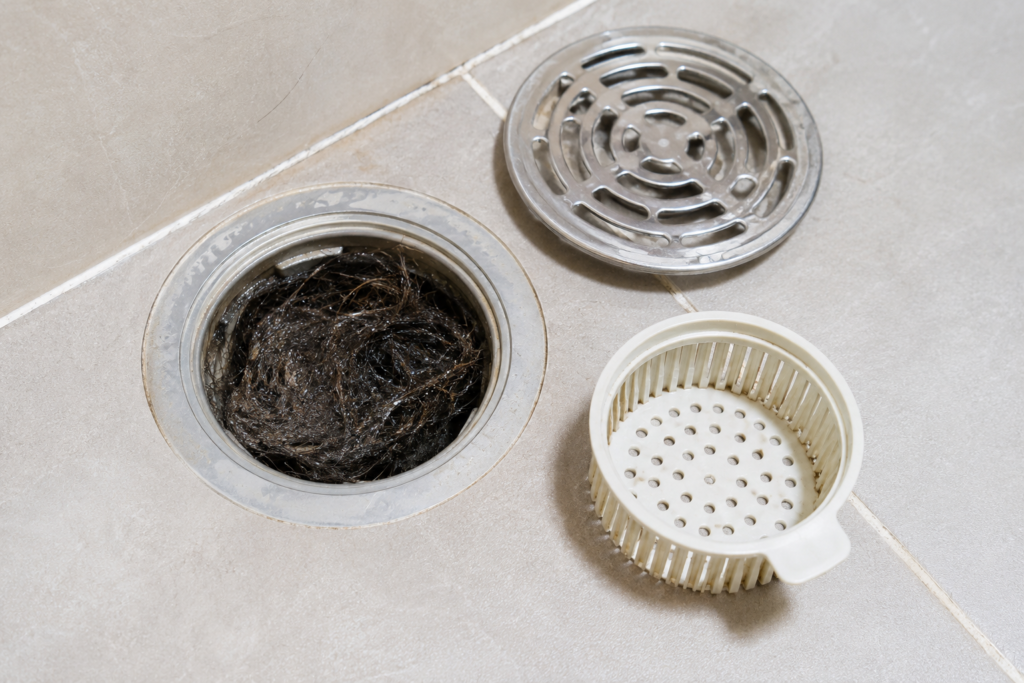
- Neglected hair traps: Letting months of uncleaned hair and soap scum clog the shower waste moves responsibility straight to the tenant.
- Outdoor neglect: Outdoor drains blocked by trash or leaves piling up from poor yard housekeeping.
If a tenant notices slow drainage, gurgling pipes, or rising water levels and keeps using the fixture without calling for help, they turn a cheap fix into an expensive disaster.
Paper Trails: How Quick Reporting and Records Protect Everyone
Notifying your landlord right away gives them a chance to fix the issue before it ruins the floors. Sending a quick written message also creates a clear timeline, preventing later arguments about who knew what and when.
A solid paper trail protects the tenant just as much as the landlord:
- Snap everything: Take clear photos of any overflow points, standing wastewater, ruined carpets, or damaged baseboards.
- Record the audio/video: Take a quick video if a toilet is gurgling or a sink is draining agonizingly slowly.
- Keep your receipts: Save every email, text thread, repair request, and plumber’s report in one folder.
If this whole mess eventually turns into a bond dispute or a fight over reimbursement, that exact paper trail is your best insurance policy.
When It’s Neither: Shared Drains and City Water Authorities
Not every blocked pipe belongs to the landlord or the tenant. Some drainage lines sit completely outside the property boundary or handle wastewater for multiple properties.
- Private vs. Public Lines: A private drain runs exclusively from your house to the property’s connection point. A shared drain or sewer main carries waste away from multiple buildings.
- The Council’s Problem: Once a clog sits in shared or public infrastructure, the financial responsibility shifts straight to the local water authority or city council, not the property owner.
How to Spot an Outside Issue
If the blockage lies past your property line, or if your neighbors are dealing with the exact same nightmare (gurgling toilets, backing-up wastewater, or a foul sewer smell down the street), you are looking at a broader network failure.
The landlord may still need to help report it, but the city handles the repair bill. In North Queensland, external sewer lines take a heavy beating during intense wet-season storms.
If multiple homes on your street show the same drainage symptoms after heavy rainfall, check the neighborhood before pointing fingers at the rental house.
How to Figure Out Who Pays (Without the Drama)
When a rental drain backs up, everyone wants to point fingers, but you should skip the emotional argument and rely on concrete evidence to settle the bill:
- Let the camera talk: The fastest way to end a debate is a CCTV inspection. A licensed plumber’s camera footage and notes prove whether a line failed structurally or got choked out by wipes and grease.
- Check the property history: Maintenance records don’t lie. If a drain choked repeatedly before the current tenant even moved in, you are looking at a pre-existing property defect.
- Read the lease with a grain of salt: Your rental agreement outlines basic care expectations, but a generic cleanliness clause doesn’t automatically prove a tenant broke a pipe. Physical evidence always wins. However, tenants shouldn’t ignore reporting duties: waiting weeks to report a slow drain while it worsens can shift liability back onto them.
- Build a unified paper trail: Stack your entry condition report, texts, plumber’s notes, photos, invoices, and CCTV findings into one folder. If a dispute goes to the RTA (Residential Tenancies Authority, the statutory body that handles tenancy disputes in Queensland) or QCAT (Queensland Civil and Administrative Tribunal, the independent legal tribunal that makes final rulings on these disputes), an invoice alone doesn’t prove tenant fault; you need the plumber’s cause report and property records to back it up. Organized evidence carries way more weight than someone’s memory.
Real-World Scenarios: Hair Clogs, Wipes, Tree Roots, and Street Mains
While these scenarios cover most emergency plumbing calls, real-world plumbing can still throw a curveball.
That is exactly why you need an experienced emergency plumber on site—to cut through the guesswork, pull out the camera, and give you the definitive proof you need before anyone gets stuck with a massive bill.
- The shower slow-down (Tenant): If the sink or shower is choking on a giant ball of hair and soap scum right near the drain, that’s standard daily-use upkeep. Grab a strainer and clear it out. But if cleaning the trap doesn’t fix it, the issue might sit deeper in the line, shifting responsibility back to the owner.
- Wipes and non-flushables (Tenant): If a plumber pulls a clump of “flushable” wipes, paper towels, or sanitary items out of the trap, the tenant is wearing the bill. Camera footage and retrieved debris make this an open-and-shut case.
- The root invader (Landlord): If aggressive tree roots smash through an old clay joint underground, that is 100% on the property owner. Tenants don’t plant subterranean trees or control aging infrastructure. In established neighborhoods, mature trees wreaking havoc on old sewer lines are a classic structural fault.
- The street-wide backup (Council/Water Authority): If your toilet is gurgling at the exact same time your neighbor two doors down is dealing with a flooded yard, step away from the blame game. When multiple properties share the same symptoms, the choke point sits out in the public main, making it the city council’s problem to fix.
When Nobody Wants to Pay: Resolving a Plumbing Stalemate
Some disputes drag on even after the plumber leaves. A landlord might blame tenant misuse without proof, or a tenant might dig their heels in despite a plumber pulling a fistful of wet wipes from the pipe. When both sides refuse to budge, you need a structured path forward.
In Queensland, start with the RTA’s free dispute resolution service and stick strictly to the evidence rather than emotional arguments. If informal talks fail, the case can escalate to formal mediation or QCAT for a binding legal decision.
Next Steps for Tenants
- Isolate the fixture: Stop using the blocked sink, toilet, or shower immediately to prevent raw sewage from flooding the house.
- Put it in writing: Notify your property manager or landlord in writing right away, complete with photos or video of the mess.
- Protect your wallet: Do not pay for major drain excavation or pipe replacement out of pocket unless liability has been officially agreed upon.
- Prevent the next clog: Use sink strainers, scrape cooking grease into the trash instead of washing it down the sink, and never flush anything other than human waste and toilet paper.
Next Steps for Landlords
- Act fast: Call a licensed plumber promptly to investigate the root cause before assigning blame.
- Ditch the guesswork: Never point fingers based on assumptions when a CCTV camera can show you the exact state of the pipe.
- Review your paperwork: Keep thorough entry condition reports, past repair invoices, and maintenance logs on file. That data makes it effortless to separate an actual tenant blunder from collapsing, aging infrastructure.
Can a Landlord Deduct Drain Repair Costs From the Bond?
A landlord can legally seek a bond deduction for plumbing repairs, but only if concrete evidence proves the tenant directly caused the blockage through misuse or negligence.
An invoice alone won’t cut it. To make a bond claim stick in a formal dispute, the landlord needs:
- A definitive plumber’s report identifying the exact cause of the clog.
- CCTV footage or physical evidence (like retrieved wet wipes or grease clogs).
- Supporting records confirming the issue wasn’t caused by a pre-existing structural failure or tree roots.
If the evidence only shows that a drain was blocked, but fails to prove why, any attempted bond deduction will likely fall apart under formal review. If you find yourself at a standstill over bond money, rely on the official dispute resolution process rather than making unsupported claims.
Who Pays for a Blocked Drain? The Final Verdict
When you focus on the physical cause, check the exact location of the blockage, and let concrete evidence, like CCTV footage and plumber reports, lead the way, the answer to who pays becomes clear.
For rentals across Townsville, fast reporting and a proper diagnosis protect everyone’s wallet and prevent minor hiccups from turning into major property damage.
If you need urgent help finding the root of a blockage, Emergency Plumbers Townsville can inspect the line, provide clear findings, and give both landlords and tenants the solid proof they need to move forward. Call us now!